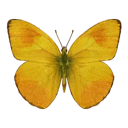
Orange-Barred Sulphur Butterfly
Males have vivid yellow wings with a prominent orange band on the forewings. The wing colors of females vary from pale yellow to light whitish tones, with the orange band appearing fainter.
A butterfly with the base of its wings a bright, soft golden yellow, marked with bold black patterns running across them. Long, slender tail-like protrusions extend down from the tips of the hindwings.
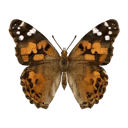
A butterfly with the upper side of its wings a scarlet background, scattered with black spots, with the tips of the forewings tinged black and lined with white spots inside. Its hindwings are orange with a hint of brown, and small black dots are arranged along the edges.
A small beetle that has a shell closely mimicking the unique patterns and shape of the Palmar leaf. Its body is about the size of a fingernail, and when it hides among clusters of Palmar leaves, it's nearly impossible to spot. The beetle's mimicry serves as camouflage to evade predators, and when threatened, it quietly freezes, blending in perfectly with the leaves.
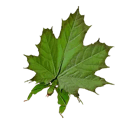
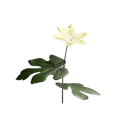
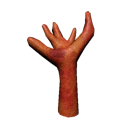
A leaf obtained from a glowing flower, its shape resembling a palm. Its surface, imbued with light, is its defining feature, but it is easily damaged, making it difficult to gather intact. Found only in regions rich with the energy of nature.
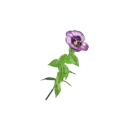
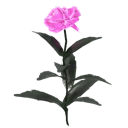
It's usually purple and symbolizes love and friendship, making it a flower often chosen to carry one's heartfelt message. Found in extremely small amounts at Drywind Valley of Delesyia.
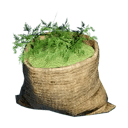
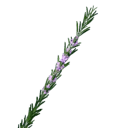
A refreshing aroma rises from the finely split light-green leaves, leaving behind a savory taste that tingles on the tip of the tongue. It's often used as a spice. Cultivated in small amounts in Northern Hernand and Pailune.
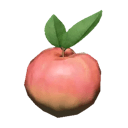
Its soft, pink-tinted skin is covered in a fine fuzz, and the flesh is sweet, juicy, and fragrant, making it perfect for dessert. Grows in regions outside of the desert and is especially common in Delesyia.
A seed that will grow into a peach tree when planted in fertile soil. You can collect fragrant and sweet peaches.
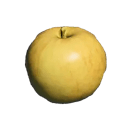
A fruit with glossy, pale yellow skin, filled with crisp and refreshing juice. A single bite releases a gentle sweetness and a burst of cool freshness throughout the mouth.
A seed that will grow into a pear tree when planted in fertile soil. An abundance of pears can be picked later.
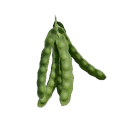
The round kernels, tinged green or yellow, have a soft texture. When boiled or mashed, a subtle sweetness and nutty flavor spread, and they are used in various dishes. It is cultivated in Demeniss.
A deciduous broadleaf shrub from the peony family, famed for producing up to 100 buds on a single plant. With its bold, eye-catching blooms, it brightens up gardens, and it's also valued as a medicinal herb. Most commonly found in Hernand and Demeniss.
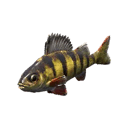
A fish with a gracefully arched neck and a sail-like dorsal fin. It spawns clusters of eggs that resemble long threads.
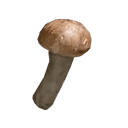
A refined mushroom with a soft brown cap and a crisp pine scent, leaving a fragrance that lingers long after. Found throughout the continent of Pywel, except for the desert.
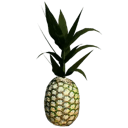
Beneath its rough, scaly rind lies a yellow flesh with a potent blend of sweetness and acidity. Its unique flavor makes it a versatile material for various types of cooking. It is cultivated in limited quantities, found only in the small villages of the Crimson Desert.
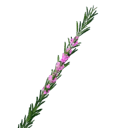
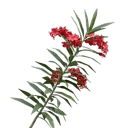
A herb of the mint family, known for its thin, sharp pink petals and a distinctive scent, and the oil extracted from it is said to help ease gastritis and headaches. Commonly found in Hernand.
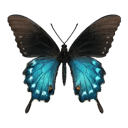
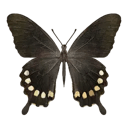
A butterfly with wings that are predominantly dark black. The forewings display a subtle bluish metallic sheen depending on the angle of light, while the upper hindwings are covered in broad navy or teal iridescence, shining brilliantly in sunlight.
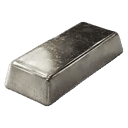
A rare ore that gleams with a silvery light that doesn't oxidize. With outstanding durability and magical conductivity, it's highly valued as a material for advanced alchemical catalysts or endurance enhancers. Can only be crafted through a witch.
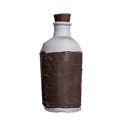
A deadly poison that can be applied to weapons and arrows. It rapidly worsens enemy wounds to inflict fatal injuries. Can be acquired at Arboria Castle.
A vivid red mushroom that forks like a deer's antlers. Beautiful to look at, but potent enough to cause severe poisoning even in tiny doses. Rarely found across the continent of Pywel and most commonly found in the southern areas of Delesyia.
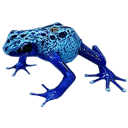
A small, vividly colored reptile, that gives off a stark warning to predators about their toxicity wherever they go. Despite their small size, these frogs pack a potent punch, with some species carrying enough toxin to deter or even kill predators.
A butterfly with wings that are overall dark-toned black with yellow band-like markings. It lacks the characteristic tail extensions unlike other swallowtails.
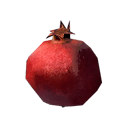
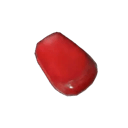
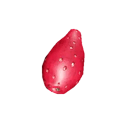
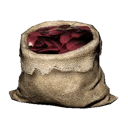
Packed with small, red seeds, it is sweet and tart, and because of its distinctive shape, it's also regarded as a symbol of fertility and prosperity. Rarely found in Demeniss.
A seed that will grow into a pomegranate tree when planted in fertile soil. You can collect red and plump pomegranates.
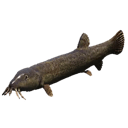
A fish with a smooth, elongated body. If you do not grasp it carefully, it slips through your fingers. With overflowing vitality, it burrows into the mud.
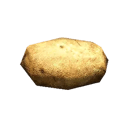
Full of earthy aroma, this fluffy and filling staple is a versatile ingredient grown in almost every corner of the Pywell continent.
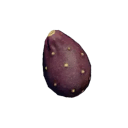
A cactus that bears red fruit on thick stems and thorny nodes. Provides medicinal herbs from both fruit and stems. Cultivated in parts of the Crimson Desert.
A seed of a unique cactus. It loves sunlight, and even without much water, it'll grow into a prickly pear.
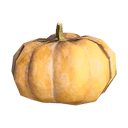
It has a round, thick rind, and the flesh is a deep orange. Prized for its intense sweetness and long shelf life, it has long been a favorite for farmers to stockpile. Cultivated widely throughout southern regions of Pywel.
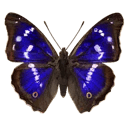
A butterfly with the upper side of the male's wings that has a dark brown background with a strong metallic purple that shines depending on the angle. The female has almost no purple sheen and distinct brown and white patterns. The forewings have a thick white horizontal stripe, and there are white spots at the tips of the wings. The outer edge of the hindwings has orange eye-shaped patterns.
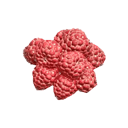
Small, round, pinkish beads cluster together, and their soft surface is covered in fine fuzz. When pressed, the juice bursts out. Most commonly found in Hernand, Pailune and Delesyia.
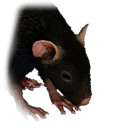
Voles, small yet clever creatures, dig burrows and rest inside them during the day, venturing out at night to forage. Unlike hamsters, they neatly store food like grains and plant roots in their tunnels, displaying remarkable organization.
A long clam that lives hidden deep in the mudflat. When salt is sprinkled, it sticks its head out as if unable to resist the temptation and gets caught. With excellent savory flavor, it becomes the best seafood ingredient when cooking.
A highly toxic variant of croton, its effect is much like ordinary croton, but far more lethal. Often found in the mountains of Hernand and Pailune.
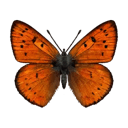
A butterfly with the upper side of its wings characterized by a vivid coppery orange with a strong metallic sheen, with the edges of the wings surrounded by a thin black border. When exposed to light, the wings sparkle and are very noticeable.
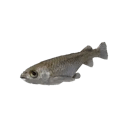
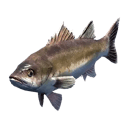
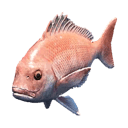
A silvery gray fish, its scales brushed with hints of red, that stares up with wide, questioning eyes as if to say if it'll be eaten.
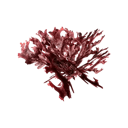
A rare, red sea plant, said to taste briny with a hint of meaty richness. Its bacon-like flavor makes it a prized delicacy. It grows along the sandy shorelines of Demeniss and Port Delesyia. Grows along the sandy shorelines of Demeniss and Delesyia.
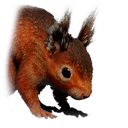
Red squirrels are small, tree-dwelling rodents known for their vibrant reddish-brown fur and bushy tail. They are mostly active during the day and are known for their agility and speed as they navigate treetops. Unknown to many, they can also swim using their tails as a float to help steer through water.
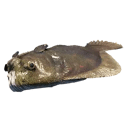
An odd, pancake-flat fish with eyes huddled on its left side, pressed against the coastal seabed.
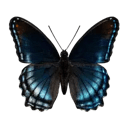
A butterfly with the upper side of the wings of a black background with a strong bluish green to turquoise metallic sheen, and small white spots that rarely appear on its edges. A blue band runs evenly along the outer edge of the hindwings. The underside of the wings has a background mixed with brown and orange, with rows of round reddish orange spots.
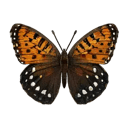
A butterfly with upper wings that are a deep orange, with evenly scattered black spots on the forewings. The upper side of the hindwings features a black background with two rows of large white spots. The underside shows the same pattern as the upper side.
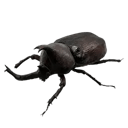
A large beetle known for its broad, thick body and prominent horn on its head. The male's horn is used for fighting and attracting mates, and it is incredibly strong. It mainly feeds on tree sap and fruit. After going through a pupal stage, it becomes active in the summer, and thanks to its impressive appearance and strength, it is often called the king of insects.
A small fish that swims lightly in calm water and slow currents. When it receives sunlight, its silver color sparkles, and it moves in schools along the surface of the water.
Inflicts poison, but awakens Health past its maximum limit and grants faster attacks. Beautiful in appearance, but it can cause poisoning if ingested or touched, so caution is required. Grows naturally in the border between Crimson Desert and the southern area of Pywel.
Features vibrant green leaves and a signature mint scent, it is beloved for its cooling aroma, this versatile herb is commonly found throughout Hernand and Demeniss.
A soft, highly elastic material. It effectively blocks water and lightning. It has a slightly unusual smell, and prolonged exposure to intense sunlight or fire gradually makes it softer and weaker. Can be primarily found in the hot and humid rainforests bordering Crimson Desert.
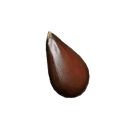
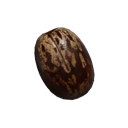
A seed that looks quite odd. It will grow into a tree from which you can make rubber.
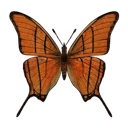
A butterfly with the upper side of the wings of a vivid orange background with several black vertical stripes running along the forewings and hindwings. Its hindwings have long, pointed dagger-shaped tail bumps, and the edges are surrounded by a black border. The underside of the wings looks like a dry leaf.
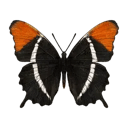
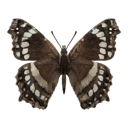
A butterfly with the upper side of its wing that has a dark brown base, with the tip of the forewing tinged with reddish-brown, which is its most distinctive feature. In the center of the forewing, there is a thick white band running horizontally, which continues to the hindwing, crossing the entire wing.
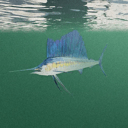
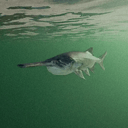
A fish that swims through the sea with a banner pike-like, colorful dorsal fin, and a blade-like upper jaw that slices through the prey.
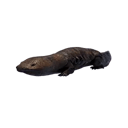
Salamanders have slender long-tailed bodies, moist skin and have a unique ability to regenerate lost limbs and other body parts. They are primarily found inhabiting a range of environments from forests and grasslands to rivers and ponds. Some breathe through their skin, requiring them to remain in moist environments.
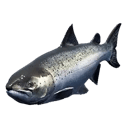
A fish known for finding its way back to the river of its birth. Clearly, home holds a special significance, even for creatures of the wild.
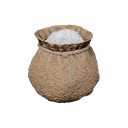
Draws out the hidden strength of dishes with its mighty flavor. Remains an essential staple more valuable than gold for survival. Can be purchased at a grocer's shop.
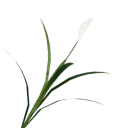
Considered a weed, it's highly resilient and can hinder the growth of other crops. It's used as feed for livestock and horses, and also for thatching roofs or weaving baskets. Most commonly found in Hernand.
A fish with a beak like pointed snout and silver-gray scales along its belly. As it matures, its stripes fade away, replaced by a subtle blush of red shimmering across its scales.
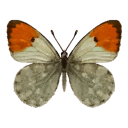
A butterfly with wings of a white background. Males have a wide orange spot spread at the tip of the upper forewing. The orange may be faint or absent on females, and instead, gray-brown patterns appear on their wing tips.
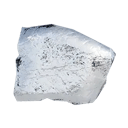
White ore with a glint of silver. It looks ordinary and is easy to overlook, but those with mastery recognize its rare uses and always make sure to pick it up. Rarely seen throughout Pywel, it is primarily found in the scorching heat of the deserts.
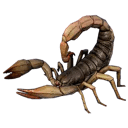
Wielding their distinctive pincers and tail tipped with a venomous stinger, scorpions are a common sight in the desert. Interestingly, instead of laying eggs, they give birth to their offspring, which are then carried on the mother's back until they are ready to fend for themselves.
3,811